Sagging Ceiling From Water Damage in Laguna Niguel: What It Means and What to Do

A drooping or bulging ceiling is a sign that water has been collecting above it. Here is what Laguna Niguel homeowners should do right away and how the source is…
A ceiling that sags, bulges or feels soft is one of the more alarming things to find in a home. Drywall is not designed to hold water, and once it is soaked it can give way without much warning. Laguna Niguel sagging ceiling problems usually trace back to a plumbing leak in the floor or attic above, or to a roof leak. Acting quickly on a sagging ceiling in Laguna Niguel homes can limit the damage to one room.
First, stay safe
If the ceiling is bulging and holding water, keep people and pets out from under it. Move furniture and electronics, lay down plastic and towels, and put a bucket in place. Turn off power to any light fixture or fan in the wet area at the breaker. If water is actively dripping, shut off the main water valve until you know where it is coming from. Some people poke a small hole at the lowest point of a bulge to drain it in a controlled way, but only do this if it is safe to stand nearby and the electricity in that area is off.
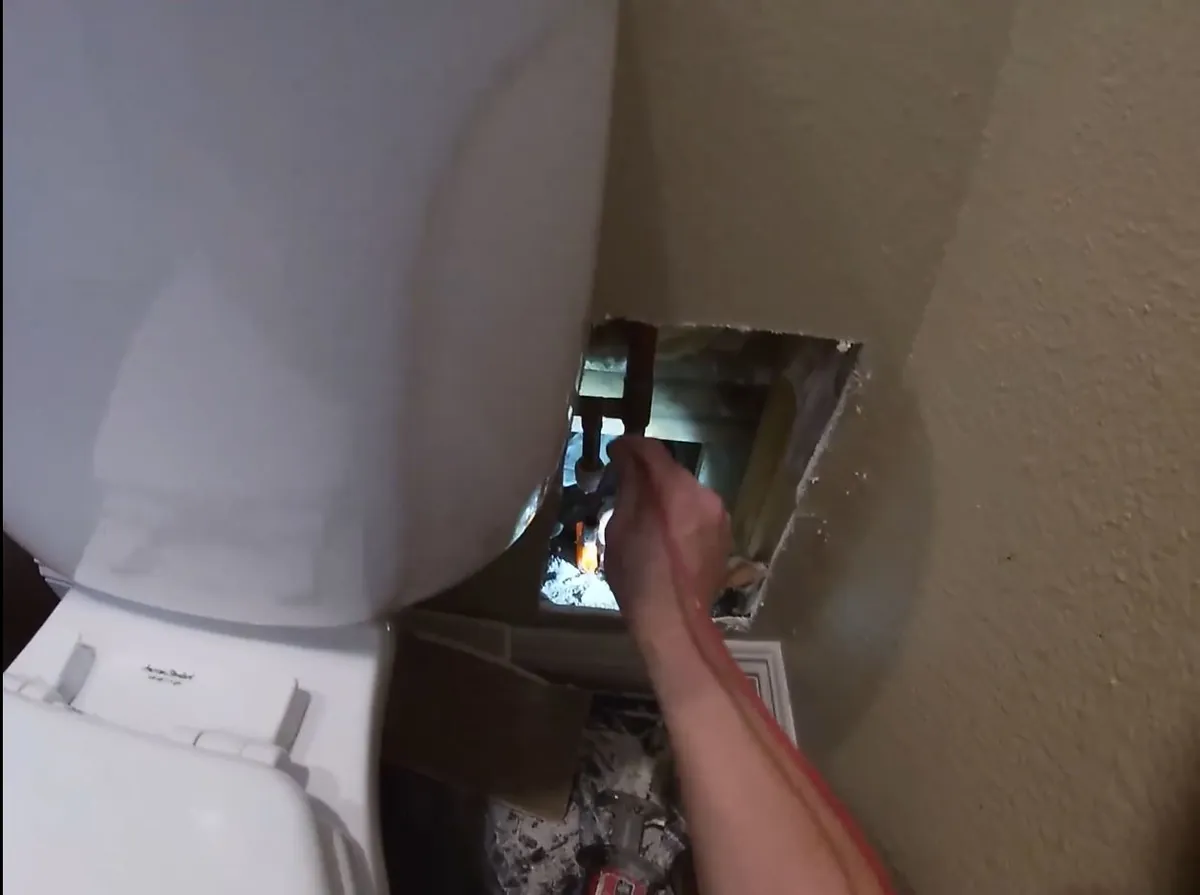
Likely sources above the ceiling
- An upstairs bathroom: a leaking toilet wax ring, shower pan, tub drain or valve.
- Supply lines running through the floor framing or attic.
- A water heater or HVAC condensate line in the attic.
- Washing machine hoses in a second-floor laundry room.
- Roof leaks, especially around vents, skylights and flashing, which tend to show up after rain.
Timing tells a lot. A stain that grows during showers points to a bathroom; one that appears only after storms points to the roof; one that grows constantly, even overnight, points to a pressurized supply line.
What causes a sagging ceiling in Laguna Niguel homes
Laguna Niguel neighborhoods such as Marina Hills, Rancho Niguel, Beacon Hill and Niguel Summit were built mostly from the 1970s through the 1990s, with many two-story homes and hillside lots. In two-story layouts, bathrooms and laundry rooms often sit directly over living areas, kitchens or garages, so a slow upstairs leak can spread across the ceiling below before anyone notices. Some homes have supply lines in the attic, where pipe fittings and older connectors age in summer heat. Polybutylene or early plastic lines, where they remain, also deserve a close look.
Condos and townhomes near the Laguna Niguel Regional Park area and along Crown Valley Parkway may share floor-ceiling assemblies with neighbors. A sagging ceiling in Laguna Niguel attached homes may come from the unit upstairs, so notify the HOA and the neighbor promptly.
How the source is usually found
Once the area is safe, the ceiling is often opened so the framing can dry and the leak path can be seen. Water can travel along joists and pipes before dripping, so the wet spot is not always under the leak. Plumbers use moisture meters, thermal cameras and pressure tests to separate a supply leak from a drain leak, and run fixtures one at a time to see which one adds water. Checking the water meter with everything off is a quick home test for a supply leak.
It also helps to look at the ceiling from above when you can. In a single-story home, a flashlight in the attic can show wet insulation, stained framing or a dripping fitting. In a two-story home, pull back the toilet base trim or the access panel behind the tub, if there is one, and look for staining on the subfloor.
Drying and repair
Wet insulation and drywall should be removed so the cavity can dry fully. Drying usually takes several days with fans and dehumidifiers, and moisture readings confirm when it is done. Repair should only start after the leak is fixed and the framing is dry, otherwise mold can grow behind the new drywall. Take photos and keep receipts for insurance, and ask your adjuster before you throw out damaged materials.
If the leak came from aging pipe, ask how many similar fittings or sections exist elsewhere in the house. One leak in older plumbing is often a preview of the next. Writing down what you saw, when and after which fixtures were used helps a licensed plumber solve a Laguna Niguel sagging ceiling problem quickly.
Quick takeaways
- Keep clear of a bulging ceiling and cut power to fixtures in the area.
- Shut off the main water if the leak is active and unknown.
- Timing points to the source: showers, storms or constant flow.
- Dry the cavity fully before any drywall repair.
Related reading
On this site, see repiping through the attic and who to call for a water leak. Neighbors can visit Aliso Viejo, Dana Point and San Juan Capistrano, or browse every city at repipeinc.com.
Dealing with a sagging ceiling in Laguna Niguel?
Request a free quote and talk with a licensed C-36 plumbing contractor about the pipes above your ceiling. Get my free quote. Our AI system alerts a technician instantly, so you get a fast callback.
Repipe OC, 23821 Hillhurst Drive, Laguna Niguel, CA 92677, (949) 524-2362, CSLB #1087885 C-36.
Repipe OC near you
Not in Laguna Niguel? The same crew serves nearby cities. See the Repipe OC hub (repipeinc.com), or jump to a neighboring city:
 Written by Repipe OC · CSLB #1087885 C-36 · 23821 Hillhurst Drive, Laguna Niguel, CA 92677 · (949) 524-2362